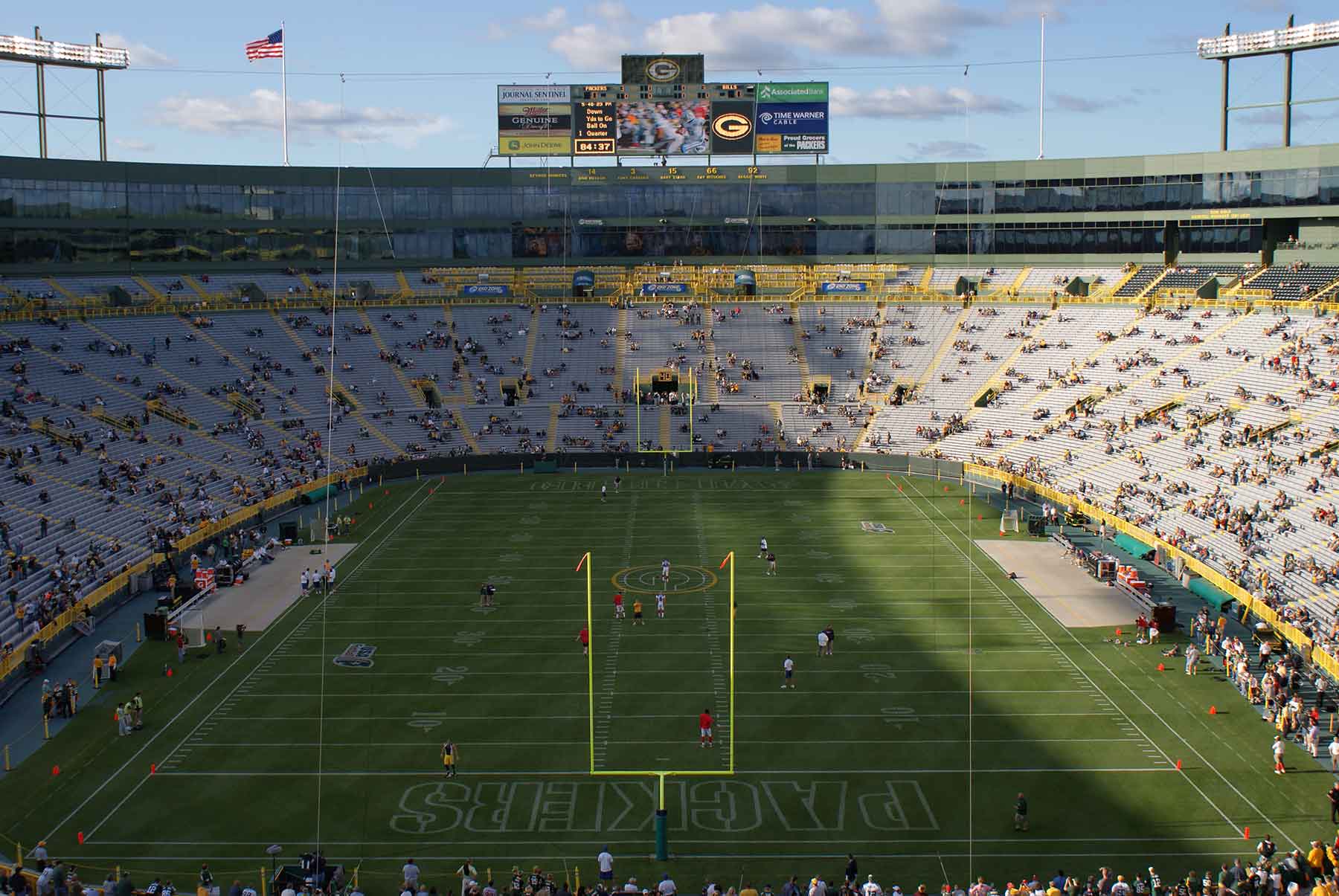
Target Field
Location: Minneapolis, Minnesota
Owner: Minnesota Ballpark Authority
Sportsfield Designer: Populous
Completed: September 2009
On April 12, 2010, a dream that began years ago for the Minnesota Twins became reality: Target Field in downtown Minneapolis was officially opened for regular season play. Excitement had been brewing throughout the Twins community as well as in Major League Baseball – no more indoor baseball after almost 30 years.
Initial groundbreaking began more than three years earlier in an old parking lot at the edge of downtown Minneapolis. Mortenson Construction was tapped to build the stadium; Mortenson and the Twins selected FIELDS to tackle the enormous task of building the playing field.
Under normal circumstances, the entire playing field subgrade is cleared before field construction begins; however, conditions at Target Field were far from normal. Due to extremely limited space and a demanding schedule, major construction activities such as seating, lighting and scoreboards had to be carried out while the future playing surface was being constructed. Four large tower cranes occupied the playing field, so only centerfield and right field would be available to begin construction on. In close coordination with Mortenson, the Twins' Head Groundskeeper, Larry DiVito, and several other subcontractors, FIELDS was able to modify field construction activities without compromising the schedule.
FIELDS tested, installed, compacted and laser graded 18 inches of select fill, then began the installation of the subsurface drainage. The team installed drainage laterals utilizing 6-inch perforated HDPE pipe connected to an 18-inch solid HDPE collector from the field access gate in left field to first base. In addition, FIELDS encircled the entire playing field with a looped 18-inch collector line, which was connected to a concrete drainage detention vault just in front of left center field.
With the drainage installation complete, it was time for irrigation installation. FIELDS installed a Geotextile fabric over the subgrade, then put in a 4-inch-deep pea gravel blanket above the select fill, drainage and irrigation piping.
The FIELDS team designed and installed the heating system, which consisted of approximately 38 miles of Pex tubing, control valves and header pipe above the pea gravel layer. The tubing would be filled with about 8,000 gallons of a 40% glycol solution to prevent freezing during Minnesota winters and to carry heat to the root zone for optimum growing temperatures during the fall and early spring. Target Field is one of the only MLB stadiums to have this state-of-the-art Hydronic heating system.
The root zone mix profile is 10 inches deep and composed of a specially blended mix that is 97 percent sand and 3 percent peat. This sand is different from the industry-standard USGA specification and was chosen under the direction of Populous and the Twins to more closely replicate the root zone characteristics of custom-grown bluegrass sod.
FIELDS spent a great deal of time researching the types of sod that would be best for this field given the extreme seasons it would have to endure. Careful consideration was also given to determining which sod farm could grow and produce the quality level of sod that was expected. The type of soil the farm had was important as well, since the sod needed to be grown on sand that was compatible with the root zone. FIELDS finally chose Graff's Turf Farms from Colorado for the project.
According to the project specifications, the sod installation was to be completed within 24 hours of harvest, including the 830-mile journey from Colorado in a refrigerated truck. The Twins also requested that sod installation not occur during the peak daytime temperatures, so sod deliveries were received in the late afternoon and installation took place throughout the night. The installation process took four nights with more than 30 people working 12-hour shifts.
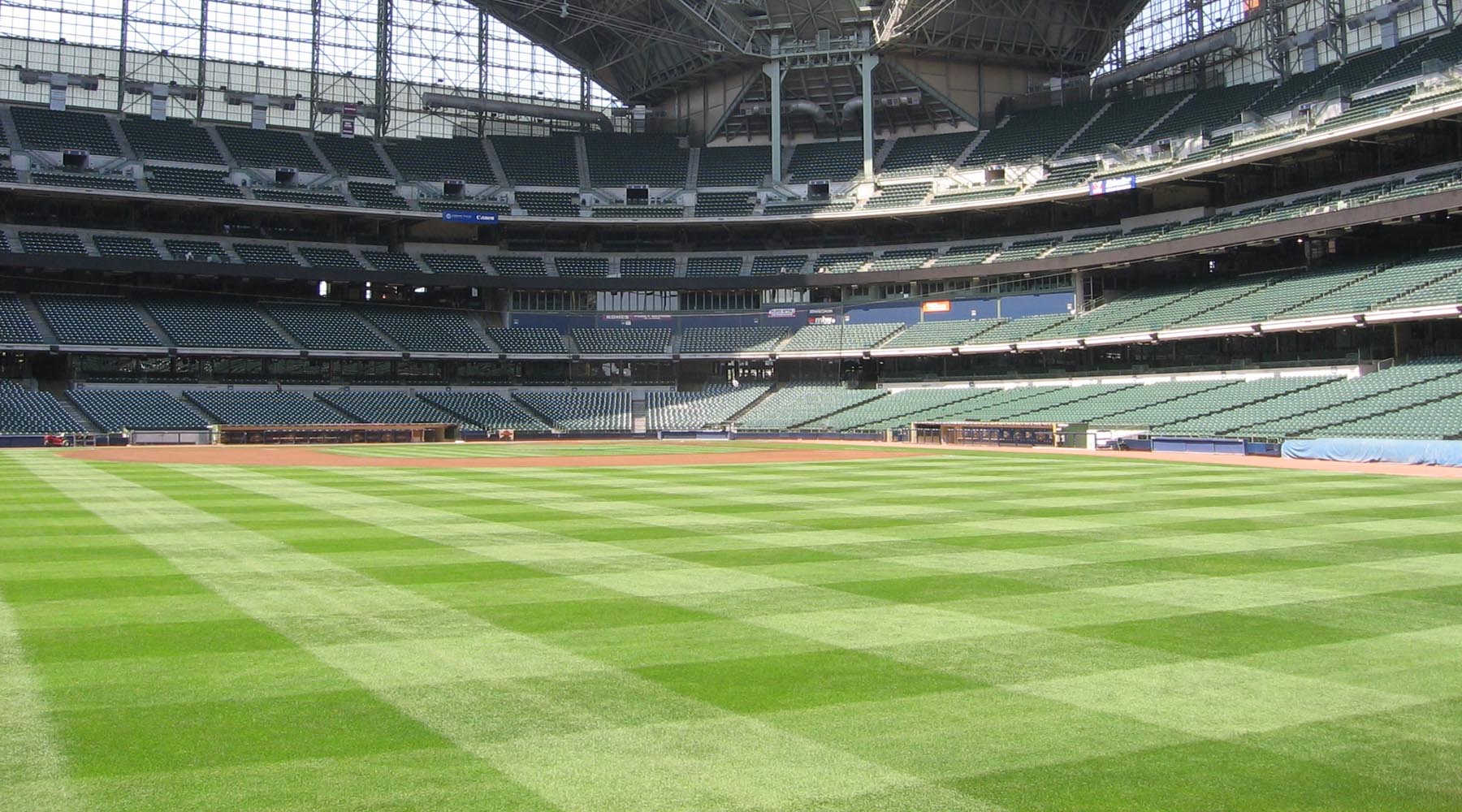
After sodding was complete in late August, all that remained were the finishing touches on the infield skin, warning track and mound. Everything at Target Field was build with exacting precision from the subgrade up. Each layer was laser graded, compacted and surveyed a total of five times to ensure even growth across the entire playing field. The tolerances were less than 1/8 inch of deviation in a 25-foot grid. The natural grass playing field at Target Field brings outdoor baseball back to Minnesota for the first time in 28 years.